
Product Details
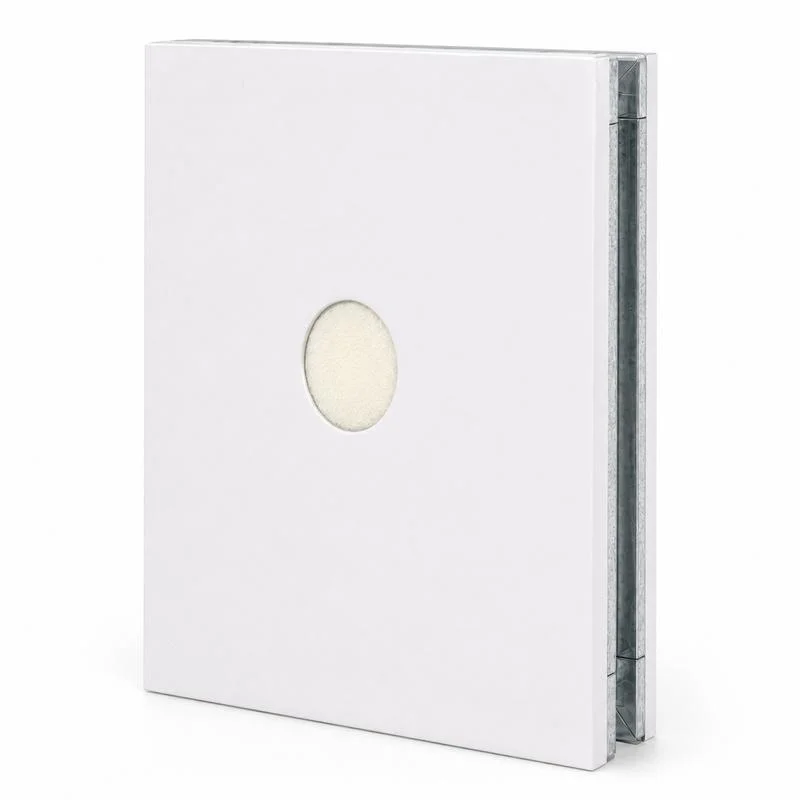
What Is an Injection (PU / PIR) Panel?
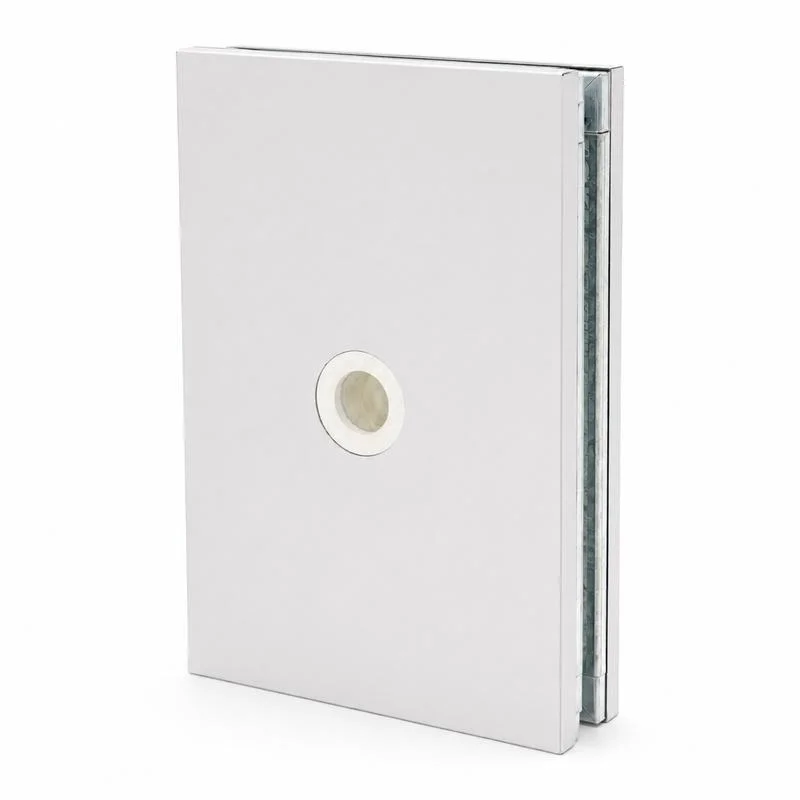
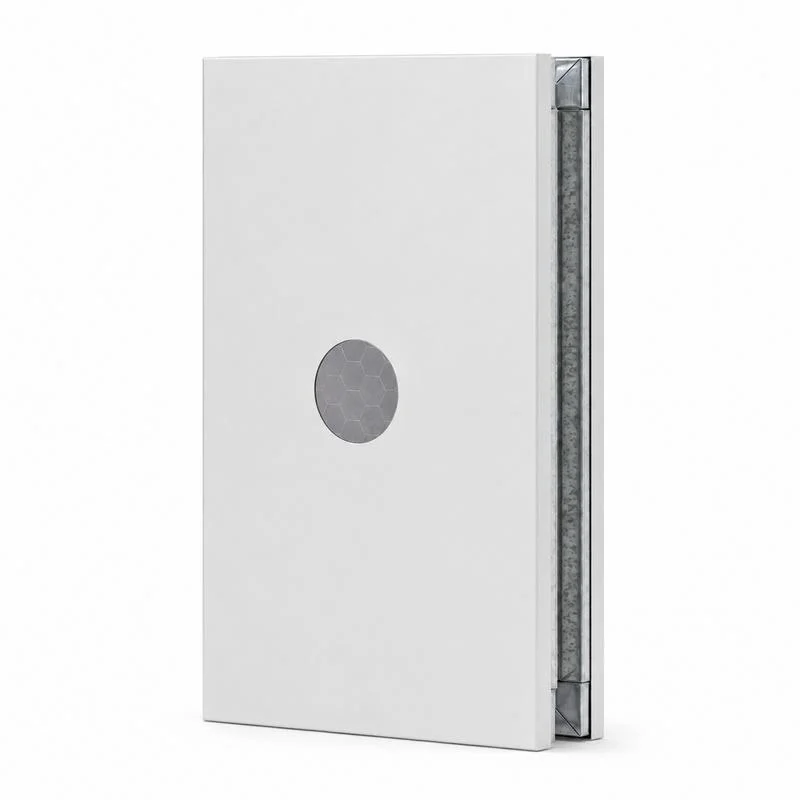
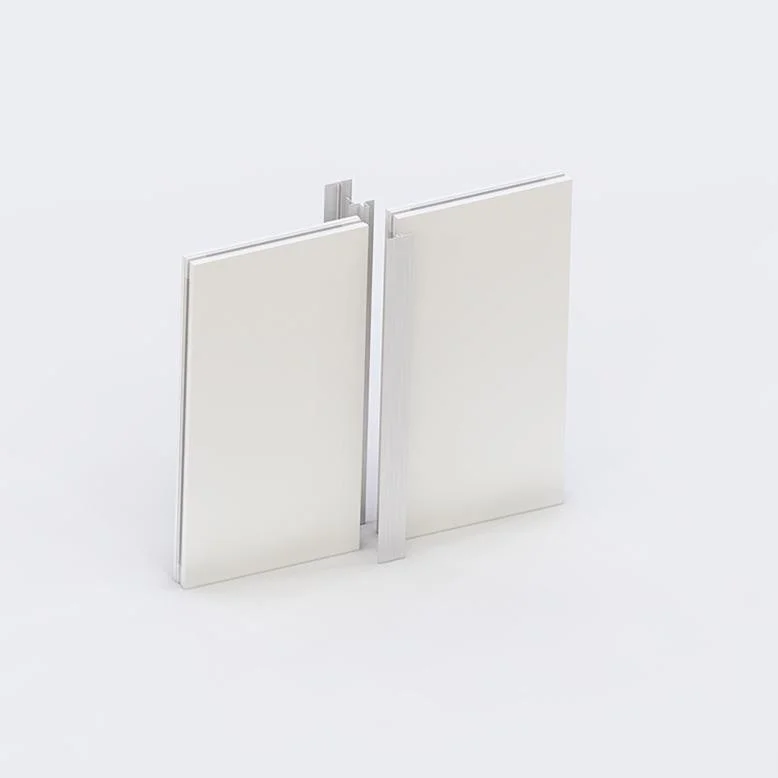
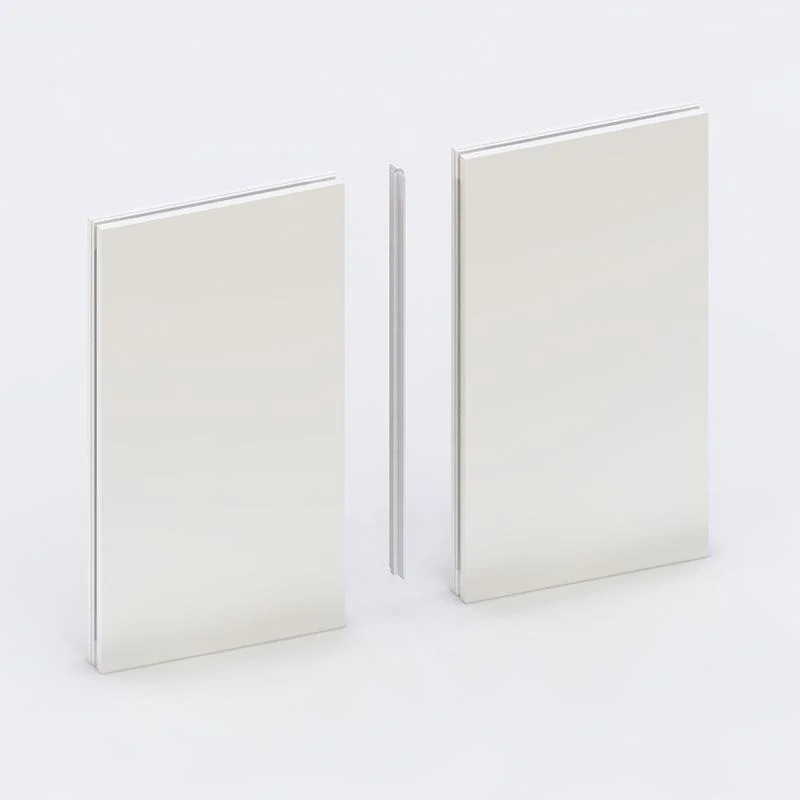
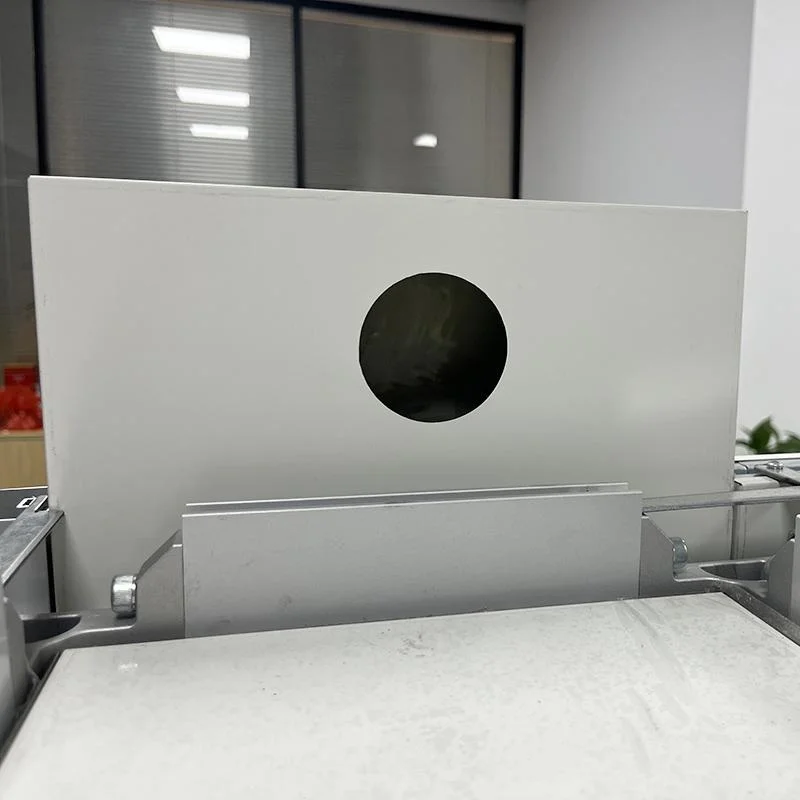
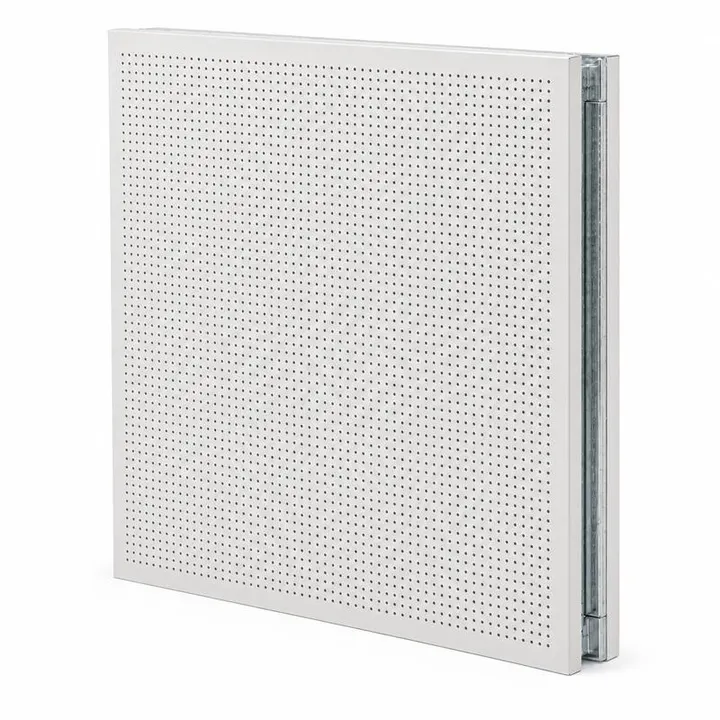
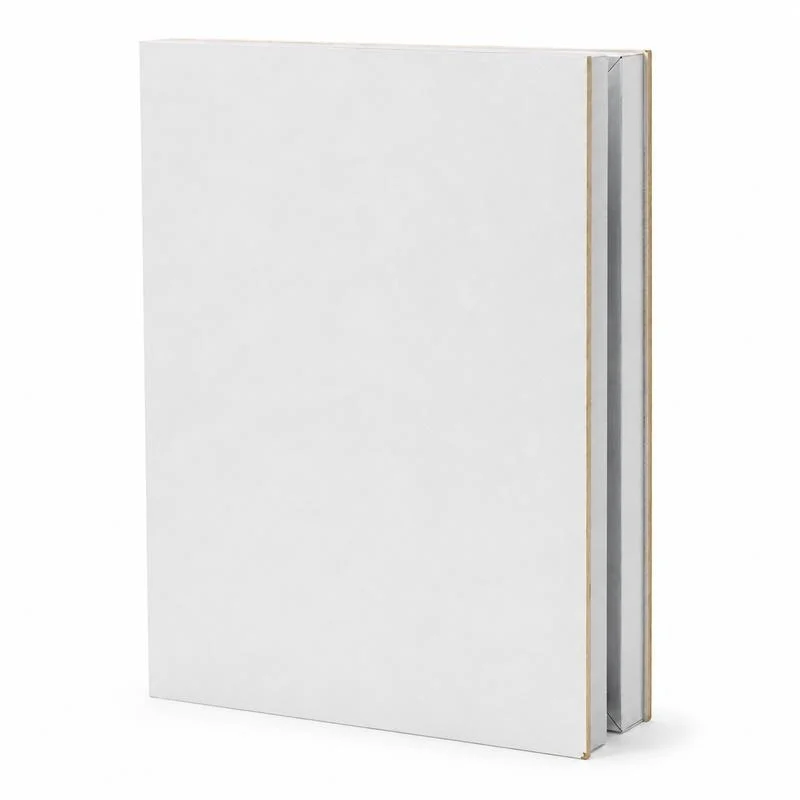
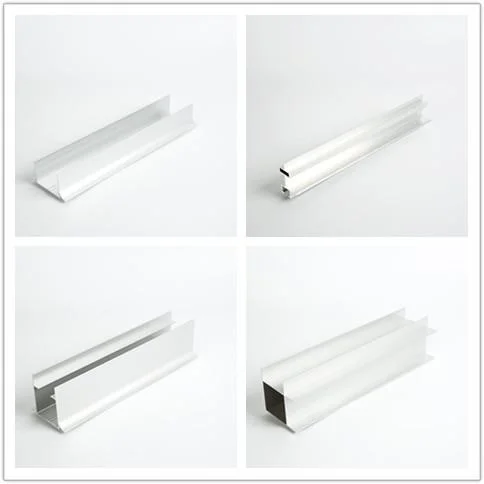
An injection panel is a sandwich panel whose core is foam-injected and cured between two coated steel facings, producing a void-free, thermal-bridge-free board. It comes in two builds: the PUR (polyurethane) panel, framed with an aluminum or iron frame connected by a central aluminum profile; and the PIR (polyisocyanurate) panel, which is frameless and made on a fully automatic, continuous production line. The facing is 0.5–0.8 mm coated galvanized steel — thicker steel gives higher flatness and impact resistance — and the unique convex-groove edge delivers excellent airtightness. Compare with the broader cleanroom sandwich panel range.
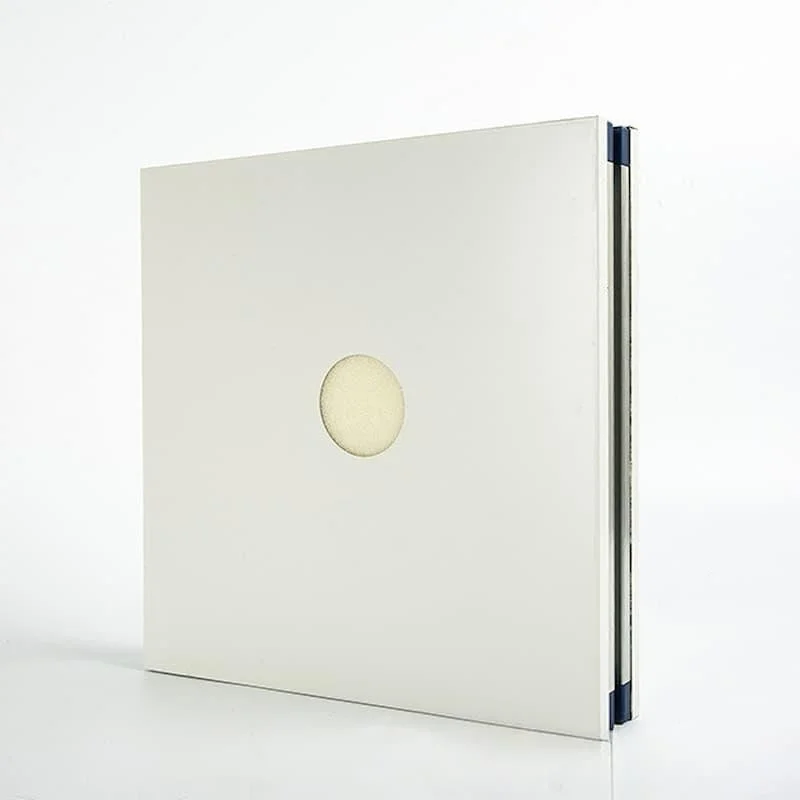
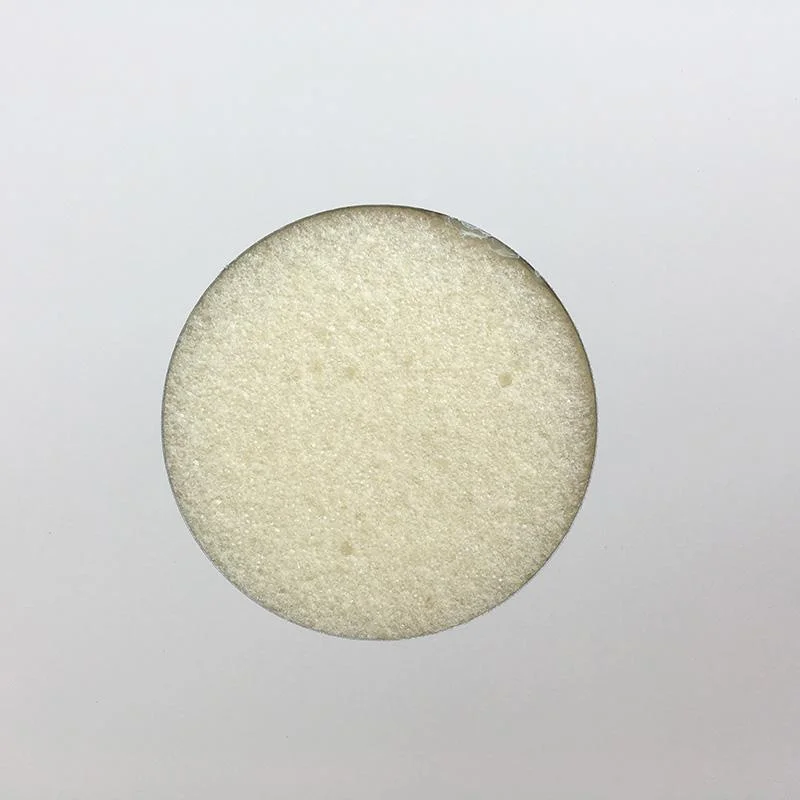
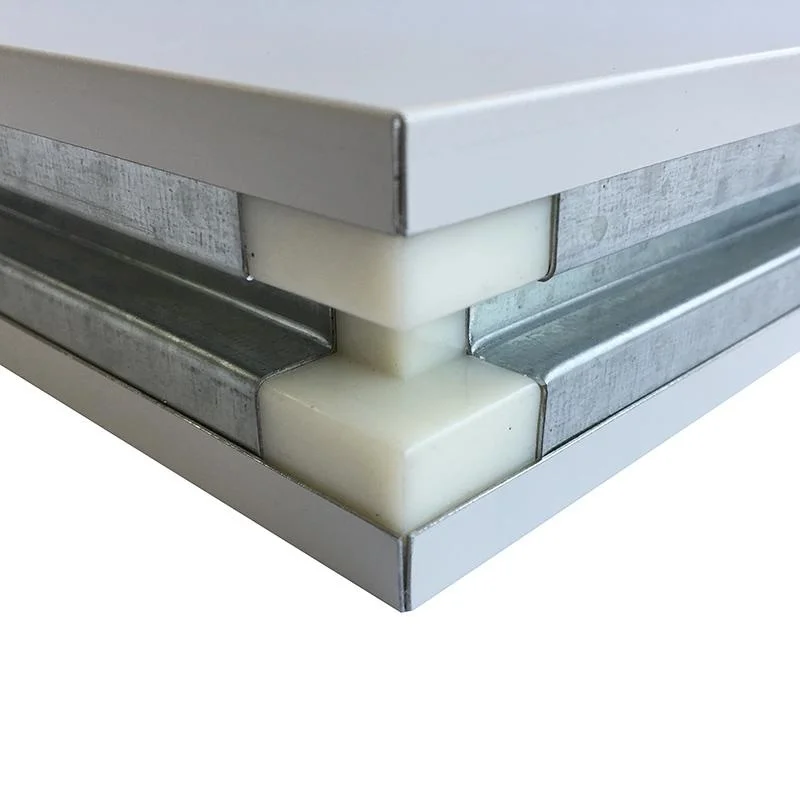
Convex-Groove Joint & Foam Core
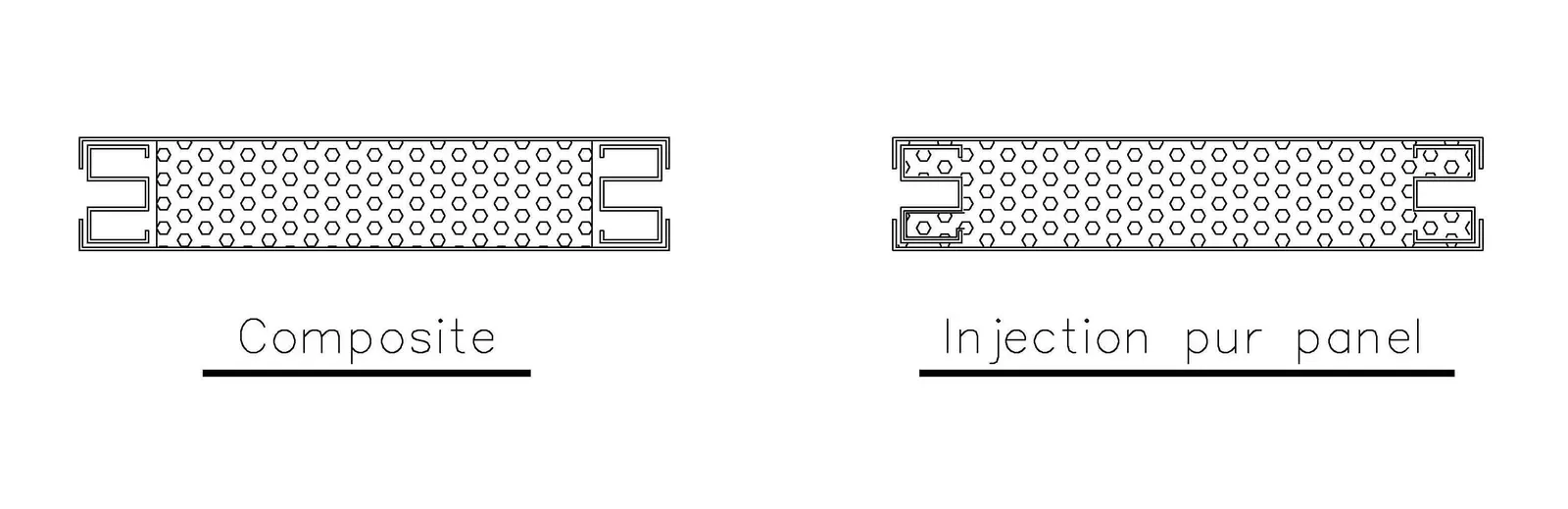
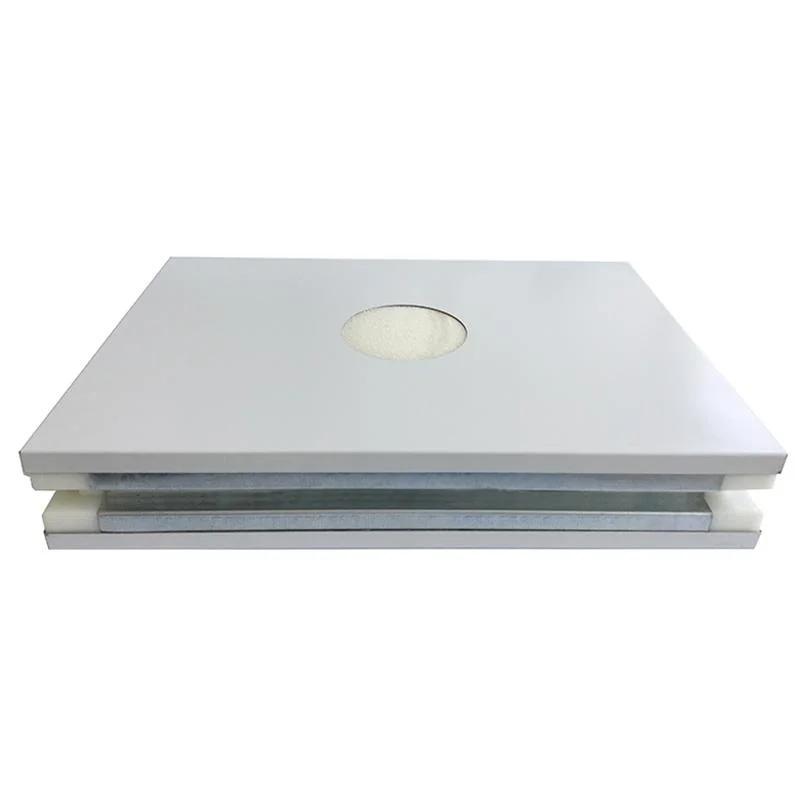
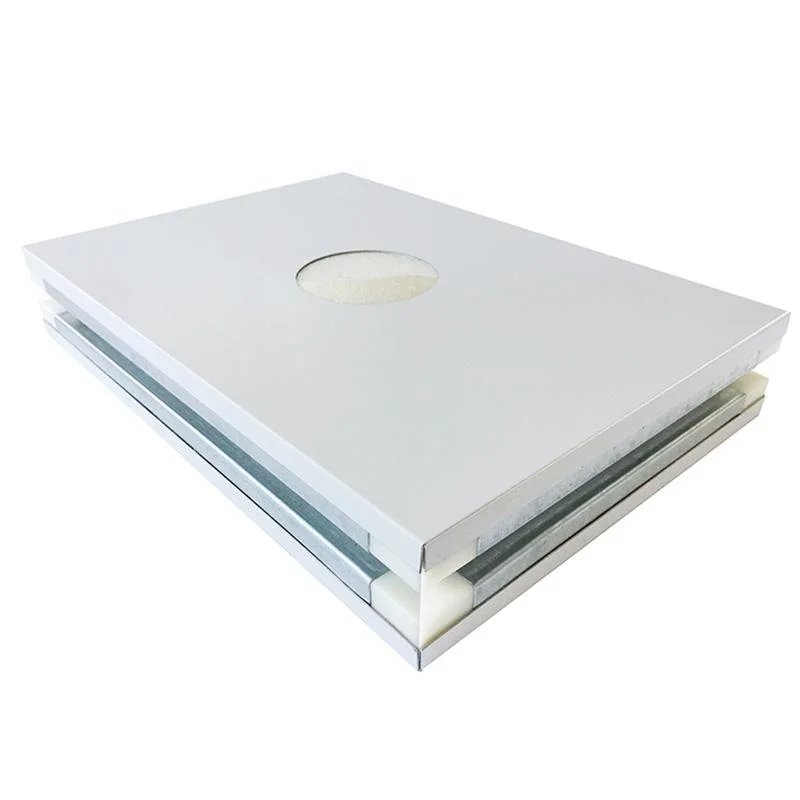
The foam is injected and cured in one pass between the two steel skins, so the core bonds fully to the facings with no gaps or thermal bridges; the convex-groove edge then locks panel-to-panel for an airtight, rigid wall.
Engineering Specifications
| Thermal conductivity (λ) | 0.018 – 0.024 W/(m·K) |
| Core material | Foam-injected PUR or PIR |
| Facing | 0.5–0.8 mm coated galvanized steel (thicker = flatter, stronger); stainless steel optional |
| Fire grade | PUR B2 · PIR B1 (higher fire resistance) |
| Joint structure | Unique convex-groove, good airtightness |
| Standard colors | RAL 9002 / 9010 (custom colors available) |
| Thickness / width | Customizable to project requirements |
| Usage fields | Cleanrooms, cold storage, central air-conditioning, chemical plants |
PUR vs PIR — Which Core?
| Feature | PUR (Polyurethane) | PIR (Polyisocyanurate) |
|---|---|---|
| Fire grade | B2 grade | B1 grade (higher resistance) |
| Frame structure | Aluminum or iron frame | Frameless design |
| Production | Injected with central aluminum profile | Fully automatic, continuous line |
| Best for | Cost-effective insulated walls | Fire-sensitive & demanding projects |
Selection Guide — Injection vs Other Cores
Every core answers a different priority. Use this as a quick engineering guide, then talk to our team for a tailored recommendation:
| Priority | Best choice | Why |
|---|---|---|
| Thermal insulation / energy | Injection PU / PIR | Lowest λ; airtight convex groove; ideal for cold & conditioned rooms |
| Maximum fire safety (A-grade) | Rock wool / MGO | Non-combustible cores for strict fire codes |
| Decorative / chemical-resistant face | HPL panel | Multi-color, scratch & chemical resistant, easy disinfect |
Where Injection Panels Are Used
Why Buy From Wonclean
Wonclean designs, manufactures and installs modular cleanroom and laboratory systems for the pharmaceutical, medical-device, food and electronics industries, with our own production base and an in-house design team. Beyond the 2-year warranty we provide two free on-site inspections per year, 24-hour fault response and lifetime relocation service — so your investment is supported for the long term.
Technical Insights & FAQ
Why choose PIR over PUR for fire-sensitive projects?
PIR has a B1 combustion grade, higher than PUR's B2. Under fire its surface tends to char and self-extinguish rather than spread flame, making it the preferred core where stricter fire-protection is required. For non-combustible A-grade walls, choose a rock wool or MGO core instead.
How good is the insulation, and why does it matter?
Thermal conductivity is 0.018–0.024 W/(m·K) — among the lowest of any cleanroom panel core, roughly half that of typical mineral wool or EPS. That means lower heat loss and HVAC running cost, and is why injection panels are widely used for cold storage and energy-efficient conditioned rooms.
How does the convex-groove structure help cleanrooms?
The convex-groove joint locks panels together for excellent airtightness and structural integrity, limiting air leakage so the room holds its pressure and temperature — valuable in cleanrooms, central air-conditioning and chemical applications.
Does the external steel thickness affect quality?
Yes. Using 0.8 mm steel instead of 0.5 mm noticeably improves surface flatness and impact resistance. We help you balance steel thickness against budget for your application.
What is the difference between framed and frameless panels?
The PUR panel uses an aluminum or iron frame connected by a central aluminum profile; the PIR panel is frameless and produced on a fully automatic, continuous line. We recommend the build based on your fire, structural and budget needs.
What thickness, width and color can I order?
Panel thickness and width are customizable to your project; standard colors are RAL 9002 and 9010 with custom colors available. Send us your insulation target and we confirm the build and data sheet before production.
Get Your Injection Panel Quote
Tell us PUR or PIR, steel thickness, color and panel sizes. Our engineers recommend the right build and send a competitive factory-direct price — with a free sample on request. Typical reply within 24 hours.